I’m Esther Ki and I’m an upcoming third year majoring in Finance. I’m expecting to graduate in 2021 and I will be working for some part of the summer at home in Colorado Springs, but I will be traveling to multiple states for the remaining part of the summer.
I personally do not have a particular genre that I prefer over the rest. I like to listen to different genre of music because I like to be exposed to new songs and artists. I like to keep my options open for music or shows or even movies, so I don’t think I have any favorites, but I tend to listen to Korean music frequently to keep myself connected to my Korean identity.
Starting off as ‘one of those boy bands,’ to the ‘world’s biggest boy band,’ BTS has become a global icon representing South Korea. While the band is just beginning to gain popularity and recognition, the band has continuously addressed important social issues throughout their music career-creating a distinct identity aside from other music groups that may perform similar genres.
As a Korean-American that was born in South Korea, I always felt like I had to live up to the expectations of the older generation. I never felt like I had freedom or choice, everything was chosen and laid out for me from the beginning. It was what the Korean society had expected of all of the younger generations, and I was not an exception even if I had come to the United States. I was living a life that others had wanted me to live until I stumbled upon a YouTube video of BTS’s debut single 2 Cool 4 Skool. They were not afraid to talk about the problems that were occurring within the society and I respected that. I was able to relate to all of their songs because most of the topics that were discussed were relevant to people my age. Starting from their three-part school trilogy, which discussed the problems regarding the education system in South Korea, BTS released albums that talked about mental health and finding happiness despite all the struggles that you may encounter as you head into adulthood. They were addressing all of the worries and concerns that I had. BTS has helped me to break away from the societal ways, so that I can get the most out of my “beautiful life.”
BTS (also known as 방탄소년단 which is a direct translation of ‘bulletproof boys’) debuted as a 7 member group consisting of: RM (Leader, rapper), JIN (vocal), SUGA (rapper), J-HOPE (main dancer/rapper), JIMIN (main dancer/lead vocal), V (vocal), and JUNGKOOK (main vocal) in June of 2013. At the time, there were over 50 teams and artists that had debuted just within that year and BTS was just one of the many groups that existed. From the beginning, the band tried to differentiate themselves from other groups by debuting as a “Hip-Hop boy band,” but failed to get recognition. Instead, they were criticized for their music because it was far from the music trend at the time. Regardless of the criticisms, they continued with their music. Like their name, they simply wanted to fight against all of the stereotypes within the society to keep true to their music. With this ideology, the group’s lyrics are vulnerable, honest, emotional, as well as being socially conscious.
Although their discography may be lacking compared to other artists, the albums that have been released show the development of the group’s identity and how they have evolved in their music.
**All Korean lyrics are translated into English**
“No More Dream” (2 Cool 4 Skool, 2013)
I wanna big house, big cars & big rings But actually, I don’t have any big dreams I have no worries Even if I don’t dream, no one says a thing Everyone thinks like me
The very first song that introduced BTS’ identity as a ‘hip-hop group,’ “No More Dream” starts out with a deep base to resemble the hip-hop beat from the ’90s. This song resonates the most with me as the song lays out the beginning of their three-part school trilogy, criticizing how the society has forced their beliefs onto the younger generation. The members mention “I don’t have any big dreams,” to symbolize how the younger generation has failed to realize what they actually want. Instead, they have become materialistic-chasing for money, house, and cars. I had been fed with this idea from a young age. For my parents, all that mattered was getting a stable job where I can make a lot of money. I wasn’t allowed to have my own dream and I never really had one back then. The society prioritizes money, so jobs and education must be centered around majors or careers that make money. By cramming this ideology into the minds of young children, we all had to grow up with “no dreams,” but a dream that has been passed down from the older generation.
Hey, what is your dream Hey, what is your dream Hey, what is your dream Is that really your dream?
By repeatedly asking about your dream, BTS poses a question to all the people: ‘Are you actually pursuing your dream?’ If not, go ahead and follow your dreams. In fact, they say that when you are young, you are in one of the most beautiful points in your life, so you don’t have to follow other people’s dreams. You should follow your own dreams. The members dedicate the song “to all the youngsters without dreams.”
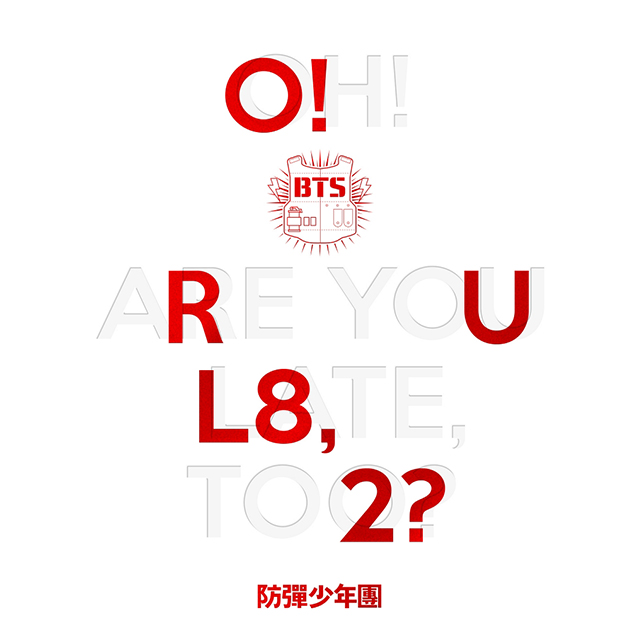
“N.O” (O!RUL8,2? – 2013)
The adults tell me that I am living comfortably Telling me I’m living such a happy life,but what am I if I am living an unhappy life? There are no other conversation topics besides school Everyone I know lives the same puppet life as me Who’s responsible for this then?
Continuing with their previous album 2 Cool 4 Skool, BTS continues on with their trilogy addressing students about the problems with the educational system in Korea. By combining the sound of drums and strings together, BTS created an alarming sound with a trap music beat. While their previous album involved BTS questioning others about their dreams, this title track is a personal reflection of the members and how they felt when they were placed in school. If students do not receive the top scores/grades, they are immediately labeled as a failure, even though this is not true. From the fast beat at the beginning of the song, the members rant about how it does not matter whether you get into the top university because happiness does not come from this. Instead of “throwing your whole life in academics” and living “the same puppet life” that the members did in the past, it was as if the band was telling me to “live your own dreams and let go of the dreams that are not yours.”
“Tomorrow” (Skool Luv Affair, 2014)
I have long ways to go, but why am I still walking in place Even if I shout in frustration, all I hear are empty echos with no answers I hope my tomorrow will be different from today
Wrapping up the trilogy series, the track “Tomorrow” has incorporated a piano to add to a groovy noise. Unlike the heavy hip-hop style songs that the group had implemented for their previous albums, the song became more rhythmical and highlighted the vocal members’ voices. With certain parts of the song, the vocals fade out in the background to portray the concerns and worries that they have about what they may be doing in life. Although this is not necessarily a social issue that they have been directing at in their previous songs, “Tomorrow” talks about the small things that people fear as they are growing older: new responsibilities and the new changes. Aside from the criticisms that they had made, the song is dedicated to comfort those that may be still “walking in place” with no results. Even if there are no results seen at the moment, “tomorrow will be different from today.” With the constant use of ‘I’ within the lyrics, they provide a closer connection with the members of the band as they are relating to the same concerns that listeners are also facing as people are transitioning from their teenage years to adulthood.
“I NEED U” (The Most Beautiful Moment in Life Pt. 1, 2015)
Youth is usually referred to as something beautiful. In most cases, it is “the most beautiful moment in life,” like the album title. However, BTS introduces a different perspective on what youth is really like. Sure enough, there is beauty involved in youth as it is something that won’t return when it has passed, but youth can also be something that is unstable. With an electro source of hip-hop, BTS uses a lyrical melody to set the tone of the song. The lyrical content is interesting as BTS uses the female character in the song as a symbol for the uncertainties that the future beholds. By shifting away from attacking the society with a direct message, BTS has first received praises as the album expressed consolation to people. Although the song may seem like a love song in which the members sing about how they do not want their love to fall apart, they are alluding to how “youth” and the “young” is not always “the most beautiful moment in life,” but actually one of the most unknown times in life.
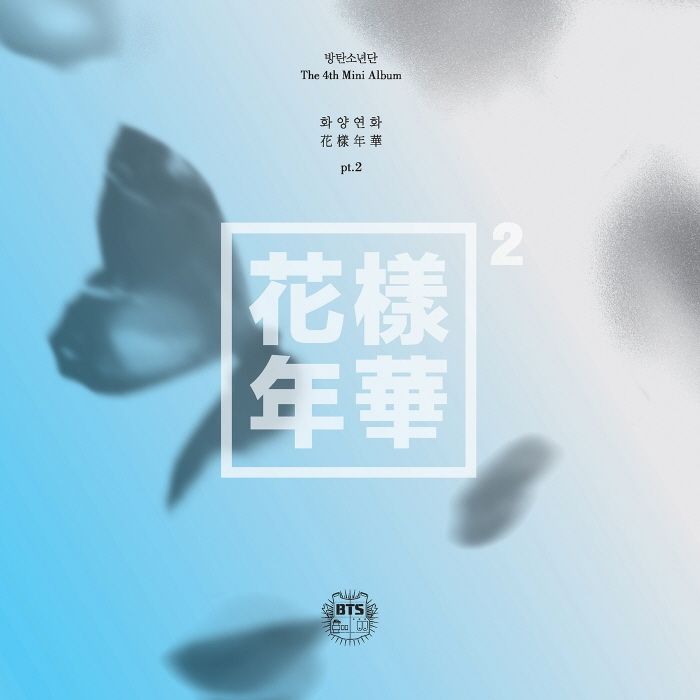
“RUN” (The Most Beautiful Moment in Life Pt. 2, 2015)
Again, run run run. I cannot stop. Again, run run run. I cannot do anything about it. I can only do this.
While the youth may involve unknown futures and the struggles that they may face, youth allows people to accept all the struggles and hardships to push forward towards their goal or dream. As you are running and running, they realize that life is not always sweet; in fact, there are times in which you must encounter bitter moments. It is apparent that the members had written the lyrics when reflecting back to the times when they were just entering adulthood. The lyrics have a personal connection as BTS sings, “you can fall, you can get hurt, just run, run, and run.” Starting off with a soft electric sound, the sound builds up and explodes to show the young “running” recklessly even if they get hurt. Being young allows people to be reckless-to fight against all odds. It doesn’t matter what the results may be, you just need to keep going to reach your goals.
“Epilogue: Young Forever” (The Most Beautiful Moment in Life: Young Forever, 2016)
Forever we are young Underneath the flower petals raining down I am running lost in this maze
From the two parts of the album The Most Beautiful Moment in Life, the band expressed the uncertainties behind the future and how adolescents should just keep going to follow the path towards their dreams and happiness. The epilogue album talks about once you are on the journey to pursue their happiness, you are “running lost in this maze,” as you are fighting against the reality to reach your goals. Outside of the maze, you will be able to find what they are looking for in life, but the exit does not seem to appear. The song begins with a slow drum beat and uses strings and a piano to express their emotions of being lost, but not losing hope. With the repeated line of “forever we are young,” the band encourages all listeners that we will be “young forever,” so we should not be worried about our journey; in fact, it can be achieved.
This album alludes to the new album concept of finding happiness together and emphasized the importance of mental health.
“A Supplementary Story: You Never Walk Alone” (You Never Walk Alone, 2017)
Yeah, even if we’re full of scars We can smile, if we are together At the end of this lonely road, Whatever it is, I want to step on it Sometimes, we may get tired or even get hurt That’s okay, because I’m by your side If you and I can be together, We can smile.
Going back to important social issues, BTS highlights the importance of mental health. In life, there may be times in which you get hurt and are scarred from other people or situations. When we are lonely or sad, people do not turn to their loved ones. In fact, they often ignore it and as time goes on, the emotions become built-up, often causing depression among individuals. In Korea, depression is one of the most common causes that lead to suicides of young adolescents. In fact, South Korea is listed within the top 10 countries in the world with the highest suicide rate. While the society avoids the topic of mental health issues altogether, BTS opened discussed the topic. BTS mixes the track with future sound as well as old school hip-hop to tell all the listeners or people that may be suffering from mental issues, that “we are together” and “you will never walk alone” in your life.
“Answer: Love Myself” (Love Yourself 結 ‘Answer’ 2018)
Perhaps, loving myself is harder than loving others Let’s admit it The standards that you place are stricter when it applies to you Now, let’s forgive myself
By incorporating a rock-based pop sound, this song demonstrates that there has been a significant change in their music style. From a hip-hop based melody, the band has experimented with different sounds to create sophisticated music to convey their message. The members have said, “our music is created to reflect the emotions that we feel. We have experienced the same problems that others have had to experience and we wanted to be open about it. Our music says it all,” (Dispatch).
BTS has constantly mentioned the importance of ‘loving yourself’ throughout interviews and their social media to send a message to everyone about how true love is when you actually learn to love yourself before you begin loving others. Even though this is not something that can be done easily, the overall message was that to find love, happiness, and hope, the answer lies within myself. We have been through phases in which we do not feel happy about ourselves. Especially in our early stages of life, we find problems with our physical appearance and we criticize ourselves. We have all been there. However, we can’t let these negative thoughts influence our happiness and our lives. Just as BTS has said through their album and their partnership with UNICEF’s ‘LOVE MYSELF’ campaign, we must love ourselves to be happy in the most beautiful moments of our lives.
From their debut, BTS has continued to progress with their music as they implemented different genres of music. As the years have progressed, the band has been developing new identities (as the members focus on different stages in their life). The music that BTS has released has provided relatable content for listeners on numerous issues. As a listener myself, I have been on the same path that the members had been on. I have been in situations where I wasn’t sure what I was doing. I have been lost. I used to be unhappy. No matter what message the band is trying to convey and no matter what situation I had to go through, BTS inspired me and millions of listeners to continue moving forward to make the most out of “the most beautiful moment in life,” which is NOW.
Part A: Lester Bangs’ “On Van Morrison’s Astral Weeks” is one of the most famous pieces of music writing in US history (by one of the most revered music writers). How does Bangs intermingle his own mindset as he listens to Astral Weeks with his analysis of Morrison’s songs and performance of them? How does Bangs go from being depressed in his bedroom armchair to his close analysis of Morrison’s album – “What Astral Weeks deals in are not facts but truths?”
Lester Bangs’ review of “Astral Weeks” is very personal as he begins by stating his emotional/physical condition at the time the album was released. Bang’s mindset is intermingled with the analysis of Van Morrison’s music as he discusses how many people at the time had a deep connection to the album because it was “a time when a lot of things that a low of people cared about passionately were beginning to disintegrate” and it was a difficult time for everyone. Bang also mentions the emotions that Van Morrison had put into different phrases of the lyrics. Bang talks about repeating phrases in the songs like “you breathe in, you breathe out” in “Beside You.” Bang talks about how Van Morrison wants to convey a lot of emotion “into a small space” (even if it means repeating phrases) because he wants to “capture the moment.” Throughout the album, he wants listeners to see what he is envisioning through his songs. Bang goes from being depressed in his bedroom arm chair to analyzing Morrison’s album when he talks about the emotions that he had felt when he was in his bedroom. He connects the emotions that he had felt to the songs in Morrison’s album as the songs like “Madame George” and “Cyprus Avenue” talk about emotional pain and emotional recovery. While Bang reviews his album, he describes the album and the lyrics as if he is the subject in the song. He puts himself in the album and the lyrics-he feels for the same pain that is discussed in the songs. He talks about how other people may feel the same way that he is if they are also going through emotional struggles.
Part B: Compare Ellen Willis’ “Velvet Underground” to Jeff Chang’s “The Meters.” What is each author trying to accomplish in their essays? How does each author use music and specifics from the album to help them achieve their goals for the essay? Be specific.
Ellen Willis’ review of “Velvet Underground” describes the genre of rock-and-roll in the 1960s and 1970s, but Willis mentions how The Velvets have a separate identity from other artist that perform the same genre. Unlike other rock-and-roll artists, The Velvets’ music focused on delivering moral content in their songs even though most other artists focused on the idea of “decadence.” Instead of the traditional rock-and-roll genre, Wilis describes their music as “art rock,” which differed from the traditional rock-and-roll by “combining elements of jazz, folk, classical, and avant-garde music with a rock beat.” Willis continues on with talking about how The Velvets have influenced artists such as Bob Dylan, Andy Warhol, Peter Townshend, and John Cage, but how they did not intend to appeal to large audiences with their music because their music tends to be “overtly intellectual, stylized, and distanced.”
On the other hand, Jeff Chang’s review of “The Meters” was about discussing the music that was created in the New Orleans area. Chang began with discussing the development of funk music from 1970 and how the Meters’ music had brought representation of diverse sounds. The Meters had adapted a new version of the “Mardi Gras Indian adaptation” and they also incorporated music from “orthodox bluesy funk” to “Latinized groove.” Even though they were criticized at first, Chang talked about how the Meters were the influence “that pulled American music back toward a global Blackness” and it allowed more African American artists from New Orleans. They had marked the beginning for the “golden era” of hip-hop that had come years after.
Part C: Discuss how Greg Tate develops his piece in contrast to an additional desert island piece (not the ones from Parts A and B). How do the authors use personal experience to develop their piece?
Greg Tate’s review of Bitches Brew is different from other album reviews as it does not talk about the different components of the albums (like the songs), but it provides an analysis of how the album is distinctive from other music within the jazz genre. Tate mentions the sounds of the horn as it is “pushing the rhythm forward with phrasing that singes the skin.” The detailed descriptions of the album’s sounds show Tate’s passion and love towards this album as it is his favorite album of all time. Within his review, Tate mentioned a band called Burnt Sugar in which he tried to show and replicate a similar sound as of the sounds in Bitches Brew to imply his fascination for the album and that the sounds that demonstrated in Bitches Brew must be “explored.”
On the other hand, Kit Rachlis’s review of Decade has a slightly different approach from Tate. While Tate had talked more about the sounds and the genre of jazz within his review, Rachlis focuses on the voice of the artist. Throughout the review as Rachlis incorporates different songs that are included within the album, the writer talks about how the artist’s voice changes to convey a different “mood, tone, and atmosphere.” To describe the music of Neil Young, Rachlis expresses their opinions through examples that can be relatable. With the lyrics and the songs that Young performs, Rachlis states that the music is intimate and honest.
Part D: Brainstorming: What are two albums in contention for your desert island? Why are they so important to you?
I am still deciding on which albums to pick out for my desert island writing piece because I had so many different albums in mind for this assignment. For now, I am considering Kanye West’s 808s & Heartbreak and HONNE’s Love Me/Love Me Not album. For Kanye West’s album, I have a very close connection to the songs that are included within this album. I have read in past interviews that Kanye West had released this album when his mother had died. This album includes the grief and the pain that he had felt when he had lost a loved one. This album brings back my memories that I had with my great grandfather before he had passed away. While this album was released in 2008, I hadn’t heard Kanye West’s album until two years later when my friend had sent me his album after hearing about my great grandfather that had passed away. Even though this particular album is describing Kanye West and how he blamed himself for his mother’s death, I can understand and relate his pain. His album has actually helped me to cope with the pain that I had felt and whenever I go back to listening to this album, it brings me back all of the good memories that I had shared with my great grandfather.
Another album that I am considering is HONNE’s Love Me/Love Me Not. Even though this is a fairly recent album that has been released, this album always brings back happy memories. I had actually listened to this entire album in the summer of 2018 (when it was first released) during a camping trip with my family. It was the very first camping trip that I had ever went on with my family members. Since it was the very first trip that we had been together (out in the nature), I just cannot forget the emotions I had felt at the time.
Part A: Kim Cooper’s “On Neutral Milk Hotel” contains a considerable amount of information about the album, the band, and Anne Frank. What kind of research did Cooper conduct in order to write this track by track analysis and how does she incorporate her research findings into the track by track annotations? Which annotation stood out to you as particularly insightful, and why?
Kim Cooper had to individually ask Jeff Mangum and other members about what the lyrics had meant for each individual songs in the album. Cooper saw that the songs had a significant connection to Anne Frank’s story, so he researched about her past life experience such as the times when she was in hiding with her family and when she was captured and placed into internment camps. In order to understand the emotions and the significance of songs (such as “Holland“), Cooper had to fully understand what Frank and her family was going through at the time. For songs such as “The King of Carrot Flowers Pt. One” and “The King of Carrot Flowers Pts. Two & Three,” Cooper incorporated all of the information that she had received while talking to the members of Neutral Milk Hotel. Cooper’s extensive research showed that she fully understood the artist’s intentions within the album especially when she cited the members’ experience in recording “The King of Carrot Flowers Pts. Two & Three” about being out of tune. The review was powerful because it was written in different sections splitting it up by song which made it so much easier to read and understand for readers. Since the writer incorporated specific information that the band members had mentioned, it makes it easier for the reader to understand the meaning behind the lyrics. While Cooper had cited information from her research about Anne Frank and other information obtained from interviews with the band members, her opinions were fully supported by the different examples. I found her annotation about “Holland” was very interesting as it was directly referencing Anne Frank’s story and how the writer found song references to the White Rose Movement. Although this was not intended by Jeff Mangum, I thought it was interesting on how it also included parallels from the social movement. Cooper discussed how Jeff Mangum made historical references to real-life events as well as making a personal connection by including the story about “a dead brother who refuses to be reincarnated” within the second verse of the song. Cooper provided an in-depth annotation about each of the different allusions in these verses and broke it down in to provide a detailed insight on the song.
Part B: After reading Tari Gevinson’s “Just Kidding, Love Sucks: Notes on Taylor Swift,” compare the length of the track-by-track annotations for Swift’s album Red. The annotation for “Dear John” is 166 words, “The Story of Us” is 15 words, and the others fall somewhere in between. How do the varying lengths of the annotations affect the reader? Why might Gevinson have chosen to alter the lengths of the annotations and what’s the effect of doing so? Discuss at least three annotations to help illustrate your point.
When there are varying lengths for annotations, it helps the reader to go with the flow of the writing. Longer annotations help the reader to slow down and focus on the detail, while the shorter annotations speed up the reader and help them to get a general picture. When there is a short annotation made by the writer, it can provide a brief summary that can sum up what the song is trying to imply as stated within the annotation of “If This Was a Movie.” It provides a brief glimpse of what the writer had perceived of the song without providing too much detail on different parts of the song. On the other hand, longer annotations tend to provide a much more detailed picture about what the song is about. As one of the shortest annotation on “The Story of Us” states that “listening to this song is the only time I can ever see myself fist-pumping.” Even though it is a short annotation, it provides a clear picture about the song even if it is not very detailed. From this simple statement, readers can imagine the excitement from the melody because when readers see someone fist-pumping to a song, they can picture the hype from the song. On the other hand, the annotation for “Dear John” is much more detailed. Gevinson notes the part that says “All of the girls that you’ve run dry/have tired, lifeless eyes/’cause you’ve burned them out.” Just from a short excerpt from the song, there is a detailed image talking about toxic relationships and how she uses the imagery of the girls eyes being burned out while contrasting it with “fireworks” to criticize her ex-boyfriend. Since fireworks is a symbol that is used to celebrate, Gevinson talked about how it was to celebrate the end of a toxic relationship. If there are longer annotations used compared to shorter ones, it helps readers to visualize different parts of the song instead of giving them a broad picture of the song.
Part C: Jonathan Lethem’s piece is another variation on the track by track genre, as he considers the Talking Heads album Fear of Music and considers how it translates in a live setting, particularly as the number of band members expanded and the band’s live sound evolved. For Lethem, what happens to the songs on Fear of Music during the Talking Heads’ performance during those songs? How does Lethem capture his own feelings about those songs and the performance?
Jonathan Lethem mentioned that when the band had expanded with new members being added, he thought that “something was lost as well as gained, for these songs especially” (87). He reflected that the band even when the band had expanded, he sees that although the sound is powerful, Lethem expresses that the band has changed. Unlike the previous band Talking Heads that he was familiar with, he saw that when the band was performing the song, they have developed a new identity. It was interesting how Lethem had talked about “it’s as though the original band was both too lonely and not lonely enough for the singer and songwriter of “Fear of Music.”” Lethem commented that during the performance of the songs, he noticed that the performance was wild as “the anxiety, claustrophobia, and dread, but also the fascination, the solipsistic delight… has exploded.” The performance is not always the same for the band, it is as if they are different people performing on stage.
Part D: Shea Serrano and Patterson Hood offer different variations on the track by track annotations. Instead of focusing on a single artist, they discuss several artists. What is the goal for each of their pieces and why does discussing multiple artists help them achieve their respective goals?
Both writers Shea Serrano and Patterson Hood discussed different artists within their review because the writers wanted to provide examples and explain the music style of Americana (Hood) and the Hip-hop genre (Serrano). For Patterson Hood, wanted to provide the readers a glimpse of the music that was popular during the 1990s which was often called as Americana. Hood wanted to emphasize the music and how it was not just about country, but it was a blend of country, blues, and even folk. He was able to do this by providing songs from different artists to show the readers what Americana was really about and what kind of music was released at the time (as well as the music that had led up to its popularity). On the other hand, Serrano focused on a completely different genre: hip-hop. Shea Serrano compiled songs and artists each year after 1979. Starting out with the origin of the modern hip-hop genre with The Sugarhill Gang’s “Rapper’s Delight,” Serrano explained different songs from each year to show how the hip-hop genre had developed throughout the years. By discussing the popular hip-hop songs from each year, Serrano is showing the progression of the genre and the music that is developed from the hip-hop genre from the past to today.
Part 1: Briefly introduce yourself with the usual descriptors (year and major at DU, expected graduation, summer location and summer plans), and then give us a sense of your musical preferences – what bands, types of music, favorite show, etc. Include your primary email address.
I’m Esther Ki and I’m an upcoming third year majoring in Finance. I’m expecting to graduate in 2021 and I will be working for some part of the summer at home in Colorado Springs, but I will be traveling to multiple states for the remaining part of the summer. I personally do not have a particular genre that I prefer over the rest. I like to listen to different genre of music because I like to be exposed to new songs and artists. I like to keep my options open for music or shows or even movies, so I don’t think I have any favorites, but I have been listening to Korean music frequently to keep myself connected to my Korean identity. The best way to reach me would be through my email: esther.ki@du.edu.
Part 2: Album Review as Genre A) What are three key features of an album review as a genre of writing? Why are these features important? Identify examples of these features in the reviews by Balm, Powers, and Derogatis as evidence.
To write an effective album review, there are three things that should be taken into consideration. First, if the writers know a lot about themselves and incorporate their “prejudices and ideals” into their writing, the review will be more effective. Also, the writers must realize that album reviews should be written as yourself. It is completely fine if writers incorporate their unique personalities into the writing because that makes the review more powerful. Finally, the reviews that are written do not always have to be “right.” Writers share their reviews based on their personal experience as well as their personality. These features are important in writing album reviews because when writers incorporate their personalities, experiences, and ideals into their writing, it seems more genuine and personal. When Ann Powers reviewed Daft Punk’s Random Access Memories, she openly discussed how the album was talking about identity and how there is no exact definition of masculinity. Despite all the different representation given about males and masculinity, there was not a lot of female representation or voice within the album. While it was mentioned how “Disco was explicitly tied to gay and (as writers like Alice Echols have shown) women’s liberation…” (25) but there was no female voice that represented this women’s liberation that the song was supposed to represent. Even though it may be a sensitive topic to discuss, Powers was not afraid about incorporating her thoughts and opinions and being open about it within the album review. When Ann Powers reviewed Daft Punk’s Random Access Memories, she openly discussed how the album was talking about identity and how there is no exact definition of masculinity. Despite all the different representation given about males and masculinity, there was not a lot of female representation or voice within the album. While it was mentioned how “Disco was explicitly tied to gay and (as writers like Alice Echols have shown) women’s liberation…” (25) but there was no female voice that represented this women’s liberation that the song was supposed to represent. Even though it may be a sensitive topic to discuss, Powers was not afraid about incorporating her thoughts and opinions and being open about it within the album review. On the other hand, Jim Derogatis’ review on Bookends involves the discussion of the “psychedelic explosion” that was occurring at the time the album was released and how the album was influenced by this new era that was beginning. Derogatis shared the experiences by providing examples of songs that were released that were heavily impacted by the period and how Simon & Garfunkel “continued [their] psychedelic experimentation.” He saw the connection between the new era that Simon & Garfunkel’s album Bookends portrayed with the songs that were included within the album. To share his personal intake on the album, Derogatis shared his opinion through detailed descriptions of each song and shared his personal perspective on each song to discuss the deeper meaning behind the song. Trixie A. Balm’s review of The Dictators’ Go Girl Crazy talks about her personal intake on the lyrics that were included within the album. Although some of the lyrics show “macho attitudes,” the author discusses how it is not much of a problem because of how she personally feels “flattered” by this female worshiping in their lyrics. She sees humor despite the album being “vulgar.” To write an effective album review, there are three things that should be taken into consideration. First, if the writers know a lot about themselves and incorporate their “prejudices and ideals” into their writing, the review will be more effective. Also, the writers must realize that album reviews should be written as yourself. It is completely fine if writers incorporate their unique personalities into the writing because that makes the review more powerful. Finally, the reviews that are written do not always have to be “right.” Writers share their reviews based on their personal experience as well as their personality. These features are important in writing album reviews because when writers incorporate their personalities, experiences, and ideals into their writing, it seems more genuine and personal. When Ann Powers reviewed Daft Punk’s Random Access Memories, she openly discussed how the album was talking about identity and how there is no exact definition of masculinity. Despite all the different representation given about males and masculinity, there was not a lot of female representation or voice within the album. While it was mentioned how “Disco was explicitly tied to gay and (as writers like Alice Echols have shown) women’s liberation…” (25) but there was no female voice that represented this women’s liberation that the song was supposed to represent. Even though it may be a sensitive topic to discuss, Powers was not afraid about incorporating her thoughts and opinions and being open about it within the album review.
B) What background information about Courtney Barnett (and her music) does Amanda Petrusich weave into her review about “Tell Me How Your Really Feel?” How does that information (which often isn’t about the album being reviewed) help the reader better understand Barnett and her new album?
To review Tell Me How You Feel, Amanda Petrusich begins by mentioning the singer’s singing style and how the singer often sings about anxiety and depression, but her vocal is unbothered regardless of the anxiety and depression. The writer incorporates how the singer signed an “open letter that criticized sexism in the Australian music industry.” By mentioning the singer’s involvement in these social issues, it helps the audience understand what values the singer embraces and what she finds most important when she is delivering her music. It helps the readers to understand what message the singer wanted to deliver through her new album (especially through the lyrical content as well as the tone/style that she sings).
Part 3: Pick an album released this year, preferably by an artist who is not mega-famous, and write a 600 word review of the album, suitable for publication in NPR, Noisey, Consequence of Sound, Pitchfork, or a similar site.
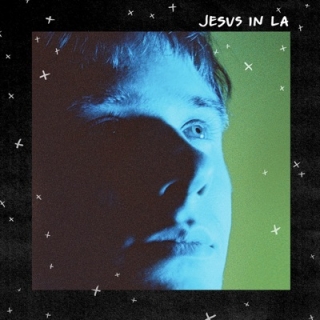
Alec Benjamin – Jesus in LA
As one of the rising American singer songwriters, Alec Benjamin just released a new single called Jesus in LA on July 16, 2019. Alec Benjamin’s new single Jesus in LA provides an interesting account of the singer recollecting on his disappointment and isolation that he had to face when he had moved to Los Angeles to pursue his music career. The song starts off with a guitar strumming as he starts his recollection of when he “shook the hands with the devil” when he was given false hope of starting up his music career at a young age.
The artist shared his personal experience from leaving home at an early age to start his career. Alec Benjamin had moved to Los Angeles leaving everything behind in his hometown Phoenix.
When they sold you the dream you were just 16//Packed a bag and ran away//And it’s a crying shame you came all this way//‘Cause you won’t find Jesus in LA.
Despite his effort to follow his dreams, he was left alone as he was dropped from the label (Columbia Records). Even though the story behind Jesus in LA was considered to be one of the hardest times, the artist keeps an upbeat melody while repeating the lines ‘Cause you won’t find Jesus in LA. Throughout the song, the song is matched with a casual upbeat and the nonchalant voice of Alec Benjamin as he was still searching for hope. As the artist sings:
I’ve been looking for my savior//looking for my truth//I even asked my shrink//He brought me down to his level//Said, ‘Son, you’re not special//You won’t find him where you think.’
The artist’s use of Los Angeles is a symbol of hope and dreams, but he uses the absence of Jesus to imply his journey on realizing how to find happiness, hope, and success.
He sings,
And that is when I knew that it was time to go home//And that is when I realized that I was alone//And all the vibrant colors from the lights fade away//And I don’t care what they say
Los Angeles wasn’t what the artist was looking for in the end. It wasn’t the hope and happiness that he had in mind. The singer was able to recognize that this was not where he wanted to be. In fact, he had already had happiness when he was with the people that he loved (his family and friends). His happiness was already within him, he just never realized this fact. After the release of Jesus in LA, the artist said, “hope and happiness isn’t always where you think you’ll find them.”
After being dropped from his record, the artist continually created demos on his iPhone and uploaded his demos to YouTube, but he wasn’t recognized until 2017 when his song was used during an audition for America’s Got Talent. Since 2018, he signed with Atlantic Records and released his debut single Let Me Down Slowly, which entered into the Billboard Hot 100 and was certified as gold.
Alec Benjamin had began as an “isolated, lonely artist” that had just dropped out of college and struggling to make a living through gigs to selling out tours in Hong Kong, Japan, Korea, Singapore, Europe, and the United States.
After his successful debut single, Alec Benjamin have been releasing numerous singles to share his story. Benjamin shared that he is just a narrator rather than a singer songwriter. His lyrics allow all listeners to illustrate images and create nostalgic memories, creating a relatable story for everyone.
Cameron Jibril Thomaz, most commonly known as Wiz Khalifa is an American rapper that had great successes since his debut single “Black and Yellow.” Wiz Khalifa has always been known to openly express his use of cannabis as it is his way to express that he was enjoying life.
Wiz Khalifa had been on his tour, “The Decent Exposure Tour” since July 9th in Atlanta and just stopped in Denver for their 22nd stop at the Fillmore Auditorium. The artist included French Montana, Playboi Carti, Moneybagg Yo, Chevy Woods, and DJ Drama, but the lineup for the concert varied per location. Particularly for the Denver stop, Wiz Khalifa dedicated his concert playlist for his love of cannabis and how he was currently enjoying his life.
Even though I do not drink alcohol or smoke, I was excited for the concert. Personally, I had always been impressed with Wiz Khalifa and the energy that he seemed to give to the audience when he performs. It was my first concert seeing him live. He had recently released a mixtape called FLY TIMES VOL. 1: THE GOOD FLY YOUNG in April which I was excited to hear him perform. Even though the concert lineup included Moneybagg Yo, Chevy Woods, and DJ Drama for the concert in Denver, I didn’t think my concert experience would end up in this way.
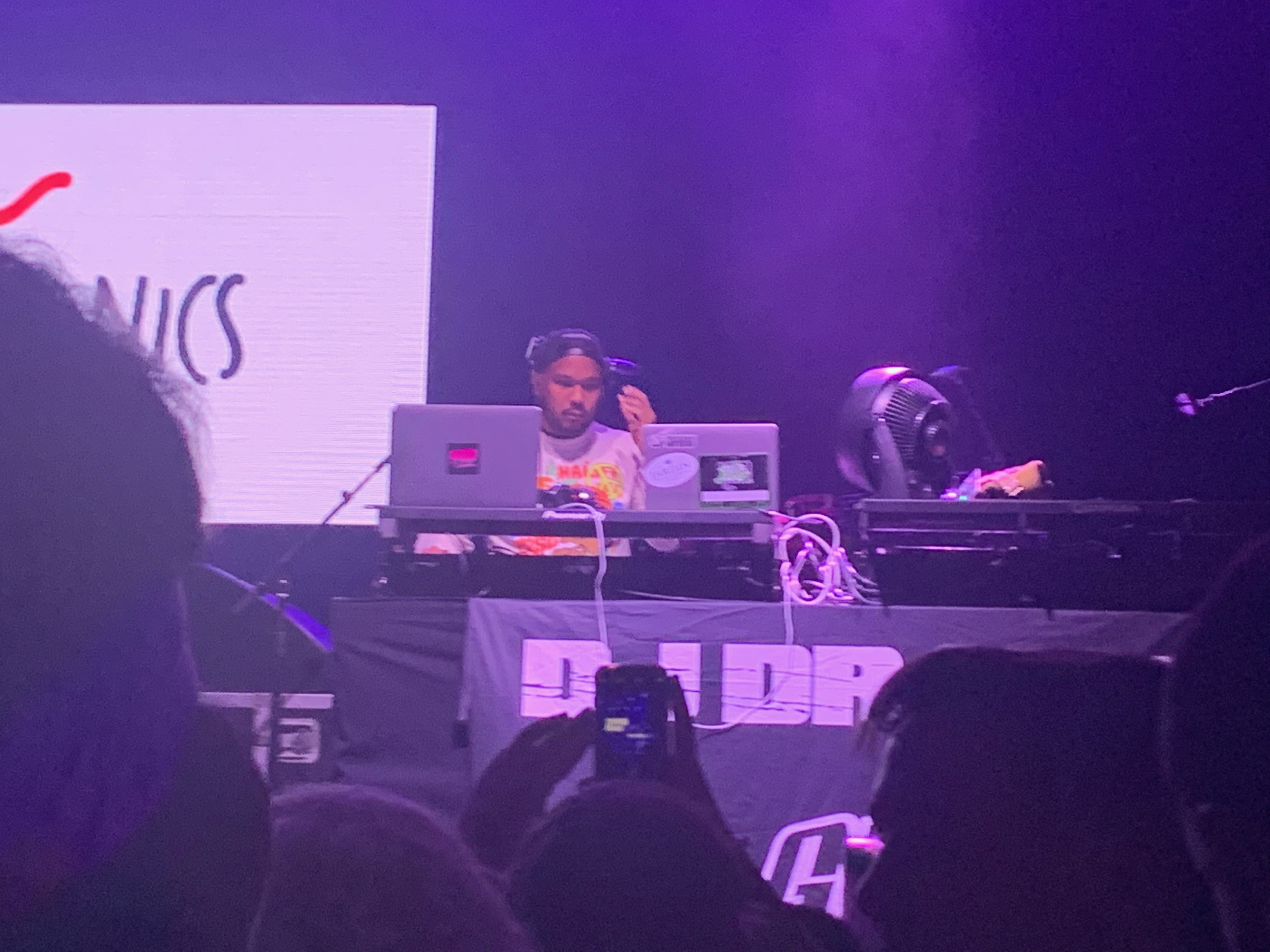
Despite all of the promotion and the hype that the Fillmore Auditorium was doing about Wiz Khalifa’s tour, it started off on the wrong foot as the concert did not begin until almost 9:00 PM, even though the concert was to begin at 7:00 PM. As soon as I entered the venue, the floor quickly flooded with people and smoke. The people were chattering in anticipation that the concert would begin right away, but the DJ booth remained empty and the lights were turned off on the stage. More and more people filled the venue, but there wasn’t anything for a couple of hours when the opening act began with DJ Bonics. Instead of the main DJ for his tour, DJ Bonics started playing a mix of beats: combine with deep bass and drums to entertain the audience. For awhile, it did keep the audience upbeat, but it wasn’t long until there were a lot of disappointment from the audience as the show wasn’t able to begin because the main DJ wasn’t on stage nor the artist that they had promised.
Everyone finally settled down when DJ Drama made his way onto the stage. He began right away with mixed tracks dedicated to Mac Miller starting with a heavy beat. In the beginning, it received cheers from the audience, but as the beat mixes involved just Mac Miller’s tracks with the DJ adding in additional sounds, fans were slowly losing interest as the concert did not seem to be about Wiz Khalifa (although this was his tour with his name on it). The DJ failed to communicate with the audience although the stage and the floor were very close together. People were even attempting to leave even before the other artists were on stage.
Fortunately enough, Moneybagg Yo and Chevy Woods lightened up the venue as they performed their big hit songs: “Mandatory Drug Test” by Moneybagg Yo and “Medicated” by Chevy Woods with their collaboration with DJ Drama. The audience members that seemed deflated were coming back to life. The audience members began putting their arms around other people’s shoulders as they were rocking side to side in sync with the beat. Although the audience members seemed more engaged compared to DJ Drama’s mixes, it appeared to me that the audience were coming back to life because of the influence of cannabis and alcohol (less of the music and the performer). People seemed to be interested in other things as there were not many phones out to take pictures and record the performances.
Personally, I had enjoyed the performances of Chevy Woods and Moneybagg Yo as I could see the artist’s passion and love for their music. They delivered each track full of energy and I could clearly see that they were putting themselves out there. In fact, my heart was thumping with the low tone of the bass. It was beating faster with the beat. However, they were clearly different from the main act of the night: Wiz Khalifa’s stage.
As “King of Everything,” everything changed for the better good as Wiz Khalifa finally made his appearance on stage. Although this was his concert, he didn’t appear until the last 20 minutes of the concert. But even though this was the case, the lights, band, DJ, and the other artists in the lineup seemed like it was a warm-up to greet him when he was on stage. The artist interacted with the audience by asking about how they were feeling after his performance. His presence was definitely different compared to Chevy Woods or Moneybagg Yo as he showed that he was not “everybody’s equal… ’cause [he] is the king.”
Wiz Khalifa spent a lot of his time trying to reconnect with the audience by asking questions about whether they were having fun and whether they were drinking or smoking during the concert. He got the audience jumping on their feet as he jumped on and off of the stage pointing the mic at the audience members for engagement. With each beat and line, everyone was singing along in unison. As the venue was getting hotter, I felt the energy that the artist was giving out to us.
I remember him openly expressing his love for cannabis throughout the concert as he said that it was “[his] way of enjoying life to the fullest.” He also said, “Just because I stay away from them, doesn’t guarantee a happy life. I don’t want to regret later in life. I wanna enjoy it.” He dedicated the song “You and Your Friends” to the audience not to encourage the use of alcohol or drug, but to tell them to live their life as if it is their last moment now. And I was with the 3,900 people that were also there to enjoy my life.
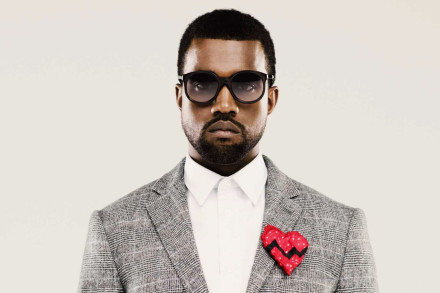
Kanye Omari West is an American rapper and singer from Chicago that has gone through major changes throughout his music career by experimenting with genres such as soul, electro, indie rock, synth-pop, baroque pop, industrial, and gospel, but he is well known for his influences on hip-hop. To be completely honest, I am not a fan of Kanye West. I had only heard of him from media and I had never really sat down to listen to his music. In fact, I had thought that Kanye West was a rapper that only talked about materialistic values and that his songs would be arrogant. It wasn’t until I had stumbled upon Kanye West’s 808s & Heartbreak album when I had listened to what his music was all about. Surprisingly, the album was full with auto-tune vocals and an electronic-based sound which was a new change to his music as the album did not include his rapping. His music was full of vulnerability. It was personal and emotional. Although this album was released in 2008 and was ranked at number one on the Billboard 200, I was never aware of the impact that this album would have on me.
When the album was originally released in 2008, Kanye West was still suffering from the pain and his “heartbreak” when he had lost his mother and broken up with his fiancée after a long relationship. On top of his personal life, he was struggling at the time due to his rising fame and unwanted attention from the media. The album 808s & Heartbreak was the result of all of the pain that he had experienced; in fact, it was a compilation of his emotions. Even though the emotions that the artist had expressed may not be the same emotion that I had felt, I empathized and personally related to Kanye and his songs. As he would say, “it’s like losing an arm and leg and having to find a way to keep walking through it.”
Since some of the songs that are included within this album were explaining the ending of his romantic relationship, I was unable to relate to all of the songs, but two songs deeply resonated with me on a personal level.
The album begins with “Say You Will” with a distinctive electro sound with Kanye West repeating the word “hey.” Although this song was originally written towards his ex-lover, I had a different take on the song.
NowI’m awake sleep (less in June) or (Missing You)
Hey, hey, hey, hey Don’t say you will
The creek that we had traveled to
While this song describes the denial that the artist had felt when his lover had left him, this song reminded me more about the friend that had left my life in the summer of 2010. As a childhood friend that I had been close to, Joon was someone that I had always kept in contact even when I had moved to the United States. Since our families were very close, it wasn’t too hard to keep the relationship going. He was one of my very first friends and it was a friendship that was very special. We weren’t just friends. We were family. When I had occasionally visited Korea during the summer, our families would get together for trips to the creek or would go on drives to the beach. I can still remember that day when we had decided to go to a nearby creek, but we had fought the day before, so we were refusing to talk to one another. During the car ride, we didn’t say a word. I don’t know what kind of pride I had, but I felt like I would be losing if I talked to him first. I don’t know what was in me at the time, but I kept quiet and I was listening to this very song on the way there. When we arrived at the creek, I sat by the rocks while I saw him go inside the creek with my younger brother David. As Joon and David were splashing each other, Joon waved at me to go with him to the deeper side of the creek. Just as I tried to respond, I saw him lose his balance and fall into the water. At first, I didn’t realize how deep the waters were, but when I saw his hands waving for help, I froze in fear. It was just seconds before I saw him getting swept up by the rapid water. It only took a couple of seconds and I lost my friend and a brother.
I couldn’t believe my eyes. I was in denial for days and everything felt like it was my fault. I regretted not following him even though I knew that he couldn’t swim. As he had said, “Wish this song would really come true/I admit I still fantasize about you, you,” Kanye denies that the person that he had loved is out of his life and he fantasizes about them. Like Kanye, I wanted to deny the fact that he was gone. Even though I did not have a romantic relationship that Kanye had described in his song, it felt the same way as I had also lost a loved one. Joon even appears in my dreams. With each line of the song, it was as if Kanye and I were sharing a bond-we were sharing the pain. This is still a painful memory and it does hurt to listen to this song again, but this is like a reminder of the very last memory that I had shared with my friend and it is something that I do not want to forget.
One of the most important songs in this album is “Coldest Winter,” as Kanye incorporates tribal drums to say a final farewell to his mother, who was “[his] everything. [His] life. The guiding force that pushes me forward.”
Memories made in the coldest winter Goodbye my friend will I ever love again
With my great grandfather and my aunt
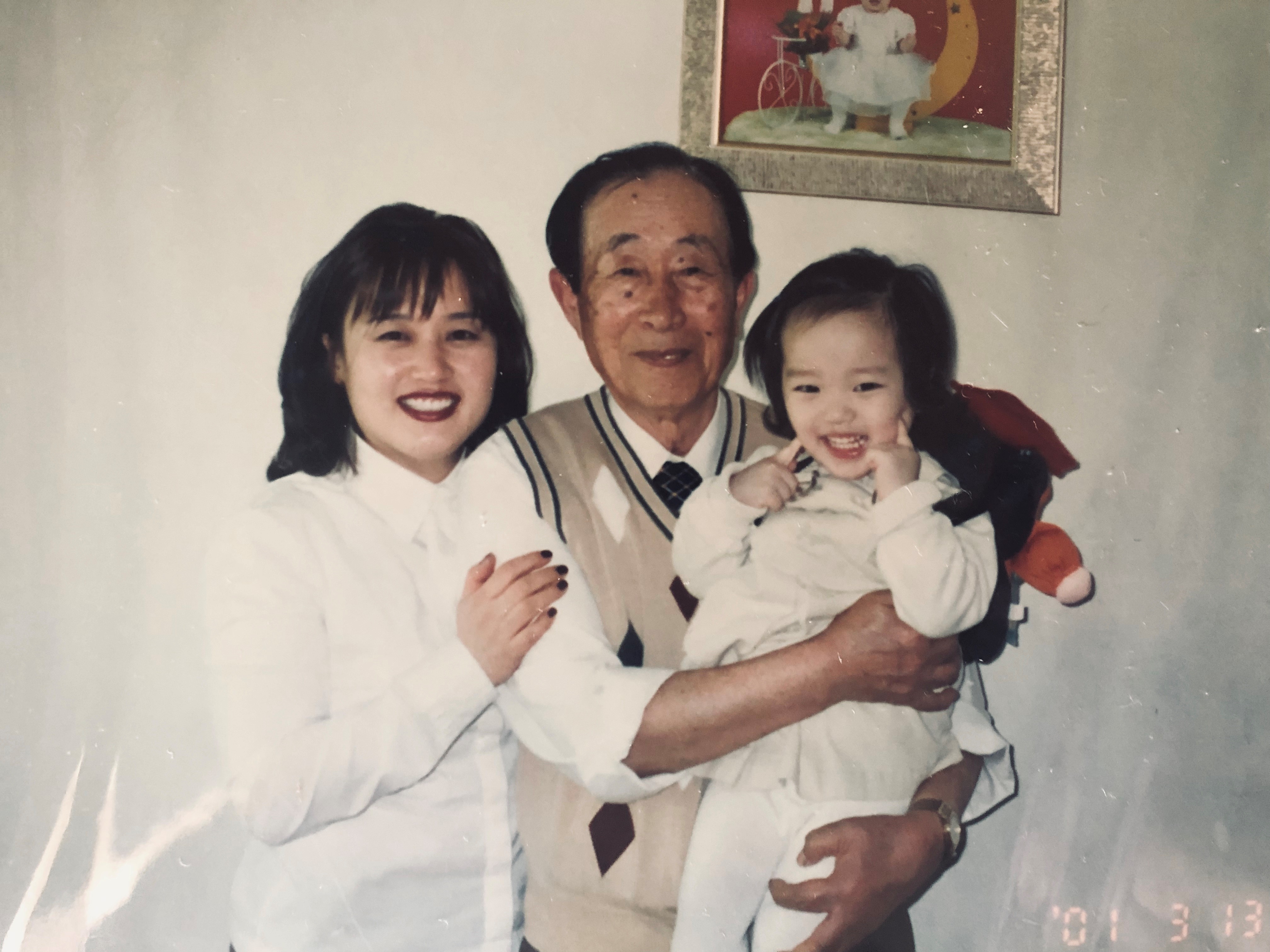
A couple of months later after I had parted ways with Joon, I had to say my goodbyes once more with my great grandfather. Ever since I was born, my parents had been busy, so I grew up in the hands of my grandparents as well as my great grandfather. They replaced my parents and I was particularly close with my great grandfather because of all of the stories that he would tell me when we went on walks together. There wasn’t a single childhood memory that I didn’t share with him. He was always there for me. During that same summer in 2010, my great grandfather had to go through brain surgery to remove a tumor. While the surgery seemed successful and he was recovering, he suddenly died from a brain hemorrhage a couple of days after he was discharged from the hospital.
Kanye West described the song “Coldest Winter,” as his way to remember his mother because it was an unexpected loss. Like the emotions that Kanye had expressed, I felt a roller coaster of emotions. After his death, I felt empty and lonely. It was as if I had lost one of my parents. The person that had always been there for me was no longer with me. I had lost both my parent and a brother all during that summer. Months after, my friend had told me about the album and this track. After the incident with Joon, I went back to listen to the “Coldest Winter,” and all of the memories that I shared with my great grandfather rushed before my eyes. I didn’t think things will be the same without him anymore. The lyrics reinforced loneliness, grief, emptiness, and sadness. These are the emotions that I also felt (and still do feel), but the song brings back the memories that I want to reminiscent on. It takes me back to times I had walked hand in hand with my great grandfather and all of the conversations that we had. Despite the mood and tone of the song, I just feel glad that I have something that can remind me of all of the memories that I shared unlike the song “Say You Will.”
Every time Kanye West discusses this album and his mother, he says:
Like Kanye West has said, losing someone (no matter how important they are in your life) brings many emotions. Music will also have the same effect. Even though Kanye West and his album 808s & Heartbreak was not something that was particularly sparked my interest at first, the album was something that I shared a close emotional connection to. Even if the emotions may not be positive (like happiness), I can remember the people that are special in my life. Sure enough, I felt more pain and grief, but Kanye West’s album helped me to cope with the struggle. By having Kanye speak the emotions that I have felt, it is as if I have someone there with me feeling the same way. This album keeps them alive in my memories and I want to take it with me no matter where I may be.









 OFF THE RECORD